Sheet Metal
Fabrication
What is Sheet Metal Fabrication
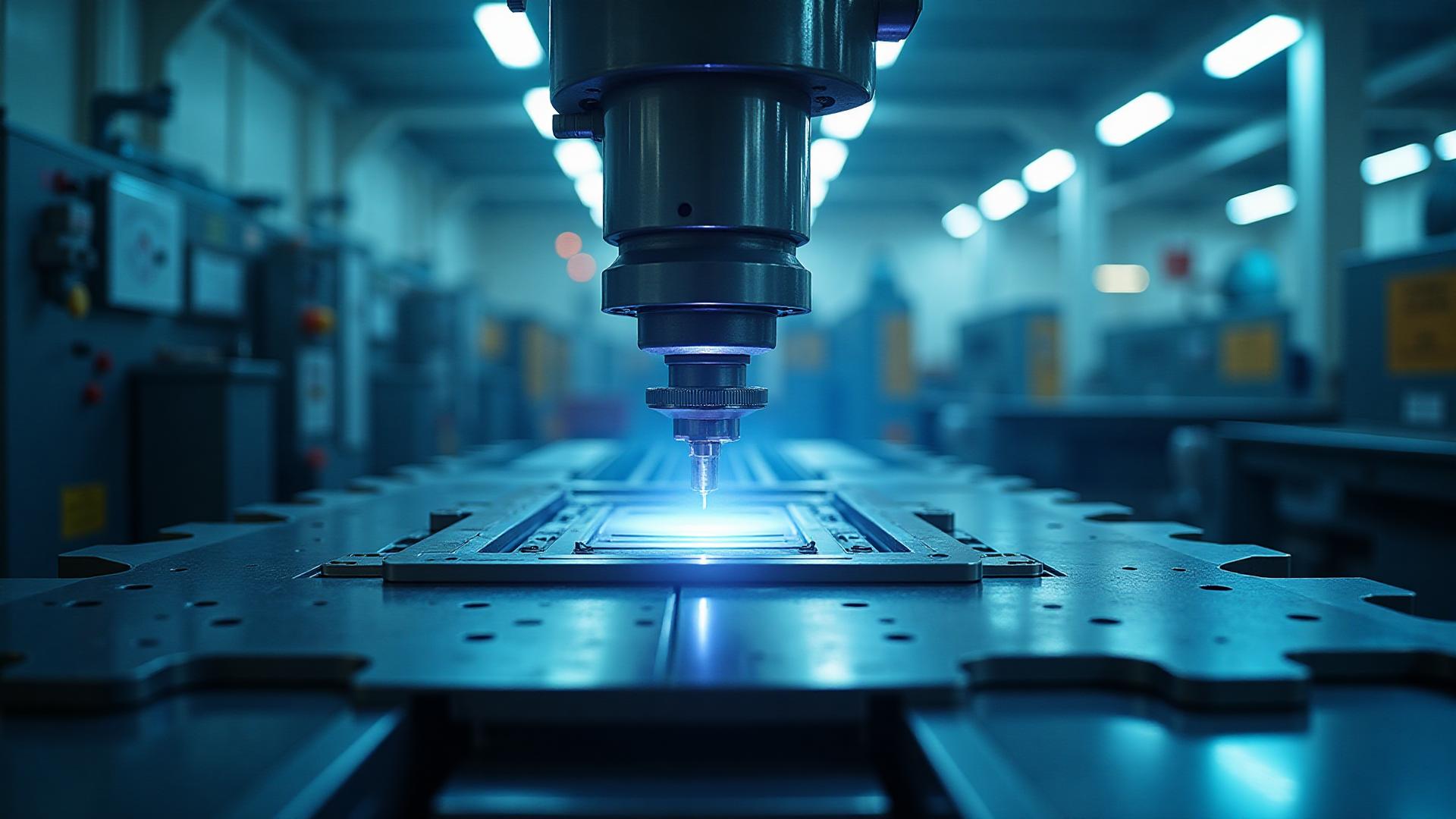
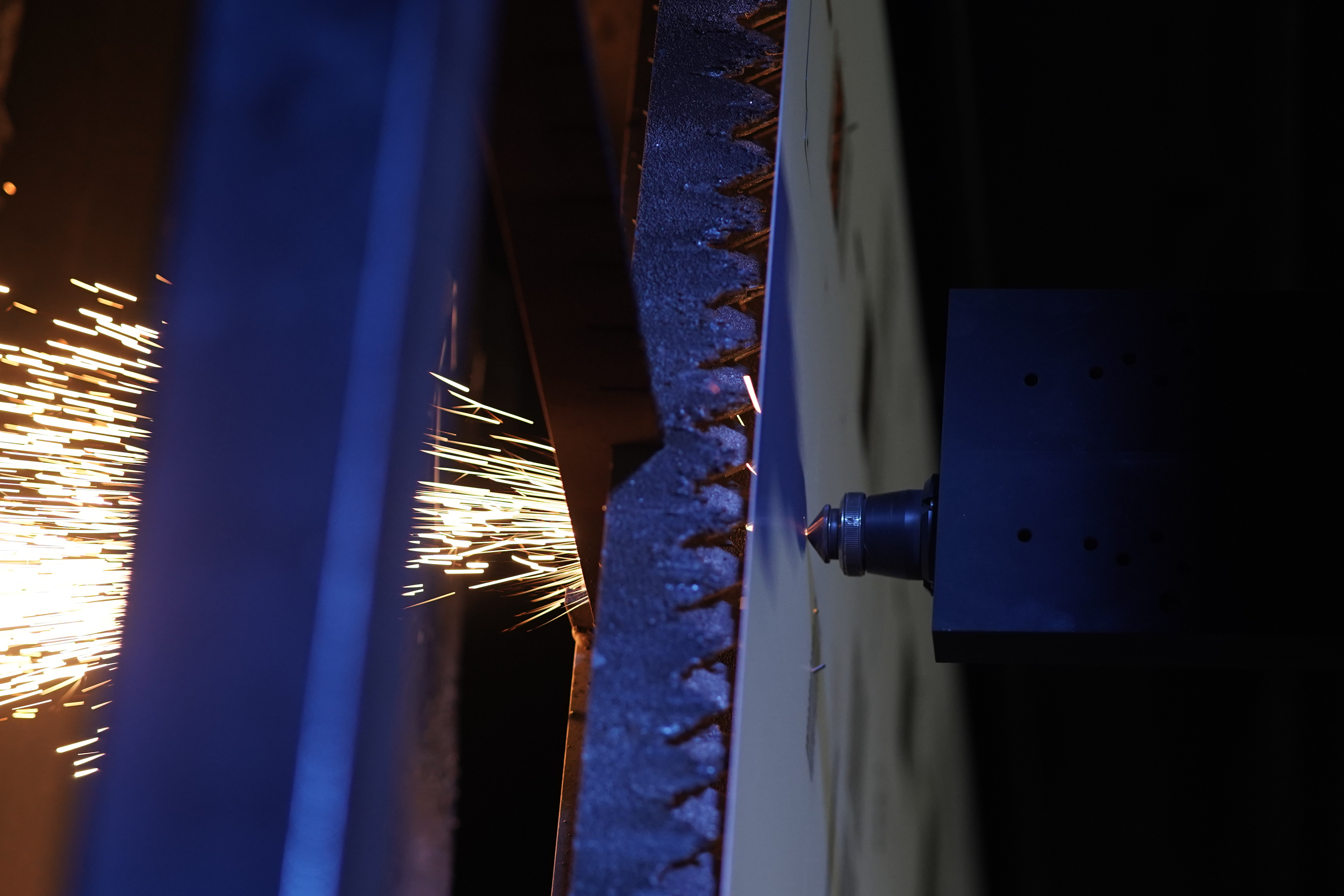
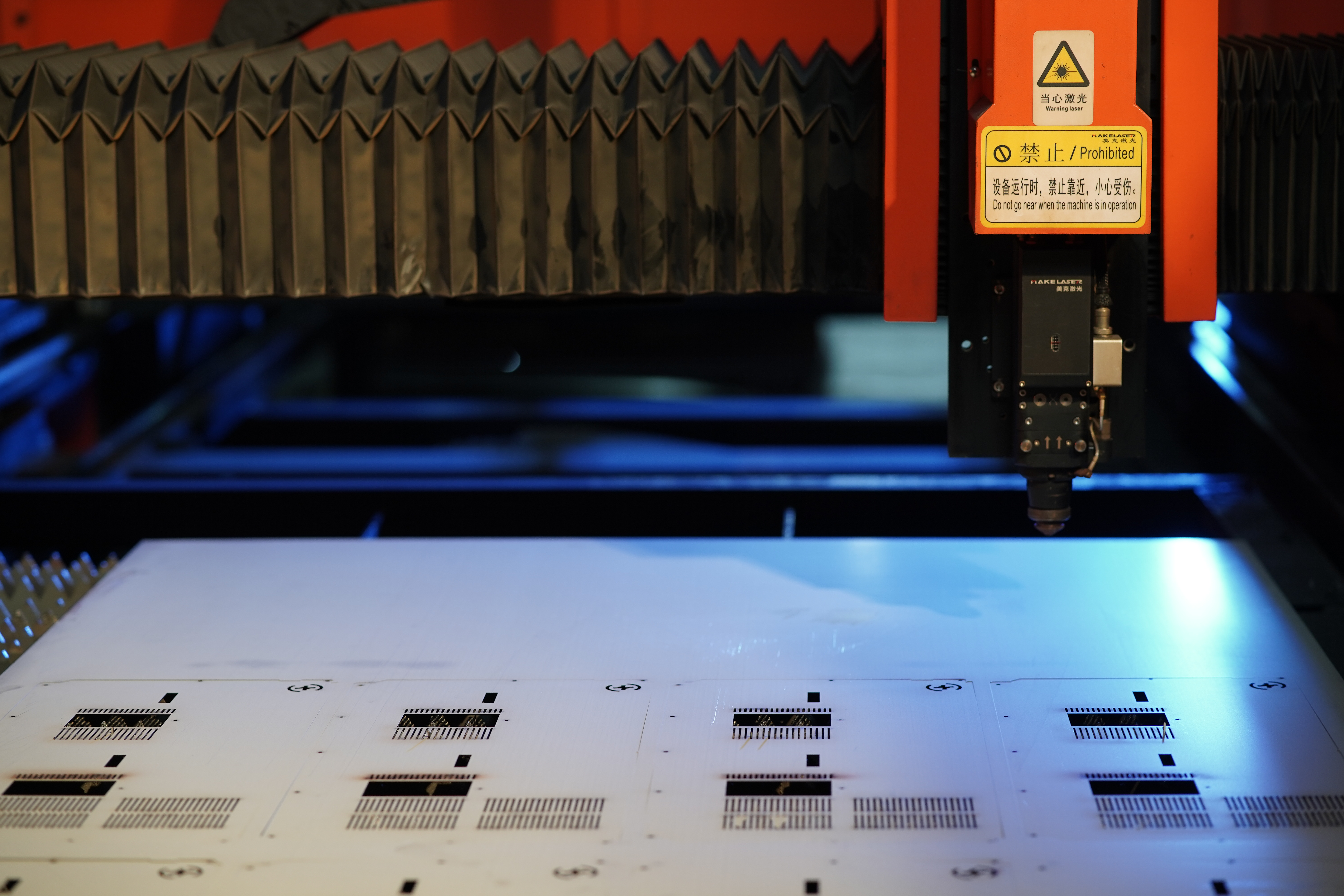
Sheet stock is procured in a flat state and cut then formed into its final state through a series of progressive steps. For a typical sheet metal project, the first step is equivalent to sheet cutting, where a shear, laser, waterjet, plasma, or punch press is used to create the internal holes and edge features of the part. This process is also known as blanking.
Once the blank is produced, the next step is to form sheet metal using various tools, but most commonly some sort of brake. A brake press can be manual or automated and uses die inserts to create a desired angular bend, forming the two-dimensional sheet into a three-dimensional object. Sheet metal forming can bend the part in multiple directions, creating simple parts such as brackets up to highly complex geometries which may require custom die tools.
Once the tools are in place, making subsequent sheet parts in production is very cost-effective. This makes sheet metal fabrication and forming ideal for low to high volume production.
Laser Cutting Capability
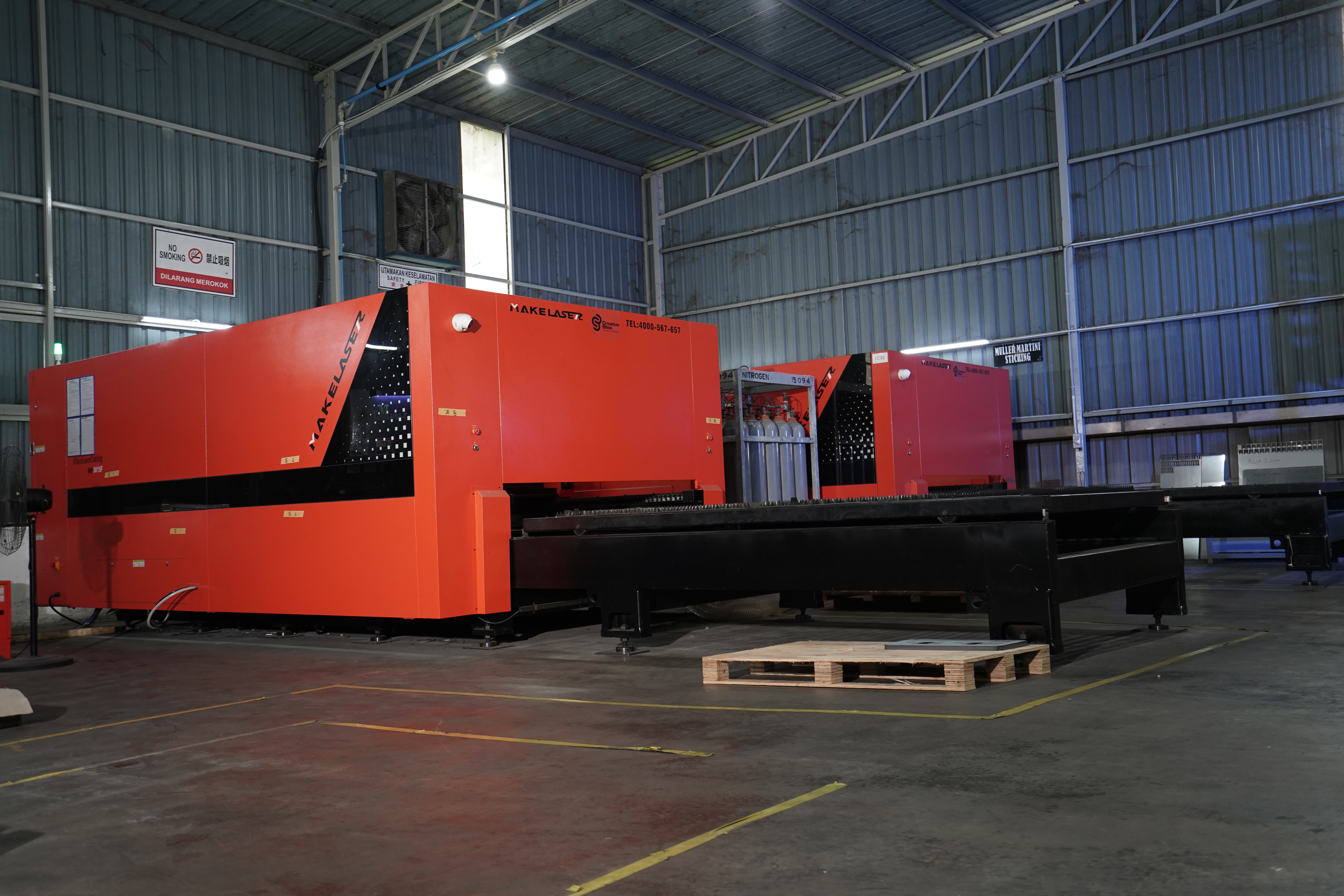
6
Fibre Laser Cutting Machines
2000W–6000W
Power Range
Clean edge quality
Minimal thermal distortion
High-speed
Complex geometries
Aluminum, SS, MS
Suitable materials
CNC Press Brake Bending
6
CNC Press Brakes
60–80 ton
Capacity
Up to 2500mm
Bending Length
Multi-angle
Forming Capability
Tight bend
Tolerance Control
Why Choose CBliss?
Our sheet metal operations are supported across multiple facilities within our 250,000+ sq ft manufacturing footprint in Malaysia.
Dedicated sheet metal production zones
CNC machining integration for post-fabrication refinement
In-house tooling fabrication support
Quality engineering & metrology lab
Assembly-ready workflow integration
By housing cutting, forming, machining, finishing, and assembly under one coordinated system, Creative Bliss delivers reduced lead time, better quality control, and simplified supply chain management.
Available Secondary Fabrication Processes
Our sheet metal capabilities include comprehensive secondary processing.
Looking for
Industry-specific Solutions?
Our team of experts is ready to discuss your unique requirements.